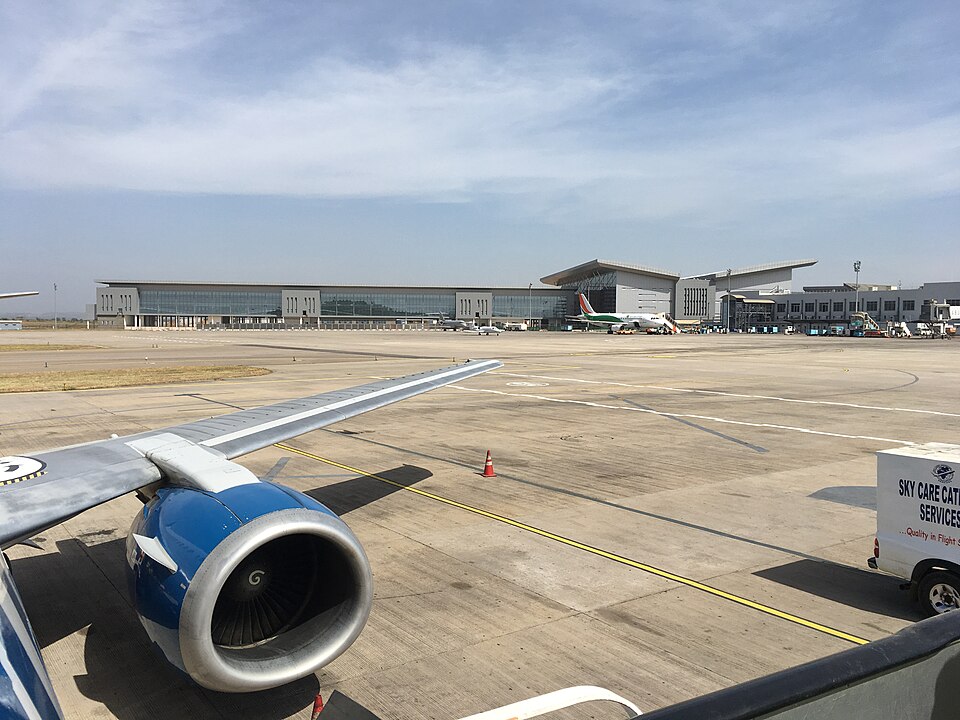
Nnamdi Azikiwe International Airport (ABV)
Nnamdi Azikiwe International Airport is an international airport serving Abuja, in the Federal Capital Territory of Nigeria.
- Distance to downtown
- 26.1 km
- Typical drive time
- Approx. 20 min
- Terminals
- 2

Discover Abuja, the capital of Nigeria: A Gateway of Heritage and Local Culture
Abuja is the capital of Nigeria (country/territory code: NG), has an official capital/administrative population of 1,235,880 (2011, scope: Official capital area), operating in the Africa/Lagos time zone. As the primary civic, administrative, and cultural gateway of Nigeria, Abuja brings together national museums, historic monuments, civic architecture, and vibrant local markets. Visitors can explore heritage neighborhoods, sample authentic regional cuisine, and connect conveniently to wider regional attractions.
Find the most popular routes to Abuja, with flight times, airlines and typical prices.
| From | Flight time | Airlines(main) | Weekly flights | From price | Route |
|---|
Candidate airport code(s) associated with Abuja include ABV; verify your ticket's IATA code and ground transport links to central Abuja.
Nnamdi Azikiwe International Airport is an international airport serving Abuja, in the Federal Capital Territory of Nigeria.
No data
No data
No data
No data
No data
No data
Landmarks, outdoor escapes and local culture for your Abuja itinerary.

Explore the central civic plaza, local heritage buildings, and community museums of Abuja in Nigeria (NG-FC).
Explore the signature civic landmarks and historic core of Abuja, experiencing the urban layout and heritage of Nigeria's capital.
Stroll along Abuja's parks, waterfront promenades, or heritage lanes in the late afternoon to enjoy skyline views and local life.
Compare practical ways to travel from the airport and around the city.
| Transport | Best for | Time to downtown | Typical cost |
|---|---|---|---|
| ABV Airport to Central Abuja Ground Transfer | Travelers arriving or departing Abuja via ABV | 15–50 min | USD 2–35 · estimated one-way airport-to-town; see cost notes · as of 2026-10-20 · Reference estimate (as of 2026-10-20): 15–50 minutes one-way between ABV and central Abuja; from USD 2.0 per person by public transit up to USD 35.0 per vehicle by taxi. Original charging basis: one-way ABV to central Abuja: public bus per person vs taxi per car in USD. |
| Airport to Abuja Center Ground Transfer (ABV) | Arriving/departing passengers and travelers with luggage | 20–60 min | NGN 6400–44800 · per adult; one-way · as of 2026-10-21 · Estimated one-way fare in NGN; lower bound reflects public bus/rail and upper bound reflects official airport taxi/express. |
| Abuja Urban Public Transit Network | Budget travelers and daily sightseeing commuters | 10–45 min | NGN 1600–6400 · per adult; one-way · as of 2026-10-21 · Estimated single-ride urban transit fare in NGN; varies by zone distance or transit card discount. |
| Abuja Official Taxis & Ride-Hailing | Families, small groups, and evening travelers | 10–35 min | NGN 8000–28800 · per vehicle; one-way · as of 2026-10-21 · Estimated 5–10 km urban ride fare in NGN; peak traffic or late-night surcharges may apply. |
When staying in Abuja, consider central town districts or areas near main transport corridors and ABV airport connections.
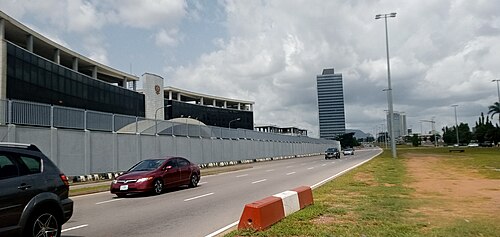
Centered around Abuja's main commercial streets and transport links, offering convenient access to dining, services, and transfers to ABV.
Spend your first day exploring central Abuja, local museums, and markets, and dedicate a second day to nearby nature trails or regional landmarks.
Continue planning with cities near Abuja.
Allow ample buffer time for ground transfers to ABV airport or intercity rail/bus terminals when departing Abuja.
Abuja is associated with candidate airport code(s) ABV; local transactions use USD, so carry both a major payment card and some USD cash for local transit and markets.
Abuja serves as the capital of Nigeria. Selected under the capital-first rule. Primary air access is via ABV in the Africa/Lagos time zone.
Local transactions in Abuja use NGN, with an estimated daily budget of 104000–248000 NGN per person (budget to mid-range). Power standard: Type C, F, or G outlets, 220–240V/50Hz (a universal travel adapter is recommended).
Discover Abuja, the capital of Nigeria: A Gateway of Heritage and Local Culture
Abuja is the capital of Nigeria (country/territory code: NG), has an official capital/administrative population of 1,235,880 (2011, scope: Official capital area), operating in the Africa/Lagos time zone. As the primary civic, administrative, and cultural gateway of Nigeria, Abuja brings together national museums, historic monuments, civic architecture, and vibrant local markets. Visitors can explore heritage neighborhoods, sample authentic regional cuisine, and connect conveniently to wider regional attractions.
Find the most popular routes to Abuja, with flight times, airlines and typical prices.
| From | Flight time | Airlines(main) | Weekly flights | From price | Route |
|---|
Candidate airport code(s) associated with Abuja include ABV; verify your ticket's IATA code and ground transport links to central Abuja.
Nnamdi Azikiwe International Airport is an international airport serving Abuja, in the Federal Capital Territory of Nigeria.
No data
No data
No data
No data
No data
No data
Landmarks, outdoor escapes and local culture for your Abuja itinerary.
Explore the central civic plaza, local heritage buildings, and community museums of Abuja in Nigeria (NG-FC).
Explore the signature civic landmarks and historic core of Abuja, experiencing the urban layout and heritage of Nigeria's capital.
Stroll along Abuja's parks, waterfront promenades, or heritage lanes in the late afternoon to enjoy skyline views and local life.
Compare practical ways to travel from the airport and around the city.
| Transport | Best for | Time to downtown | Typical cost |
|---|---|---|---|
| ABV Airport to Central Abuja Ground Transfer | Travelers arriving or departing Abuja via ABV | 15–50 min | USD 2–35 · estimated one-way airport-to-town; see cost notes · as of 2026-10-20 · Reference estimate (as of 2026-10-20): 15–50 minutes one-way between ABV and central Abuja; from USD 2.0 per person by public transit up to USD 35.0 per vehicle by taxi. Original charging basis: one-way ABV to central Abuja: public bus per person vs taxi per car in USD. |
| Airport to Abuja Center Ground Transfer (ABV) | Arriving/departing passengers and travelers with luggage | 20–60 min | NGN 6400–44800 · per adult; one-way · as of 2026-10-21 · Estimated one-way fare in NGN; lower bound reflects public bus/rail and upper bound reflects official airport taxi/express. |
| Abuja Urban Public Transit Network | Budget travelers and daily sightseeing commuters | 10–45 min | NGN 1600–6400 · per adult; one-way · as of 2026-10-21 · Estimated single-ride urban transit fare in NGN; varies by zone distance or transit card discount. |
| Abuja Official Taxis & Ride-Hailing | Families, small groups, and evening travelers | 10–35 min | NGN 8000–28800 · per vehicle; one-way · as of 2026-10-21 · Estimated 5–10 km urban ride fare in NGN; peak traffic or late-night surcharges may apply. |
When staying in Abuja, consider central town districts or areas near main transport corridors and ABV airport connections.
Centered around Abuja's main commercial streets and transport links, offering convenient access to dining, services, and transfers to ABV.
Spend your first day exploring central Abuja, local museums, and markets, and dedicate a second day to nearby nature trails or regional landmarks.
Continue planning with cities near Abuja.
Allow ample buffer time for ground transfers to ABV airport or intercity rail/bus terminals when departing Abuja.
Abuja is associated with candidate airport code(s) ABV; local transactions use USD, so carry both a major payment card and some USD cash for local transit and markets.
Abuja serves as the capital of Nigeria. Selected under the capital-first rule. Primary air access is via ABV in the Africa/Lagos time zone.
Local transactions in Abuja use NGN, with an estimated daily budget of 104000–248000 NGN per person (budget to mid-range). Power standard: Type C, F, or G outlets, 220–240V/50Hz (a universal travel adapter is recommended).