
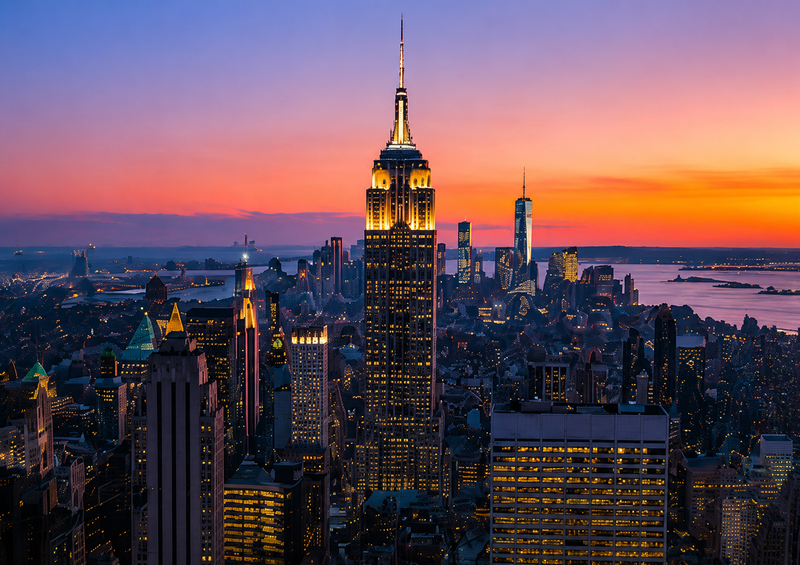
New York City
New York City
“Here, every moment in the city that never sleeps is full of endless possibilities.”
Location
New York, USA
Recommended Stay
3–5 days
Best Time to Visit
Apr–Jun / Sep–Nov
Difficulty
Light walking focused
Must-See Highlights
Unmissable experiences in New York City
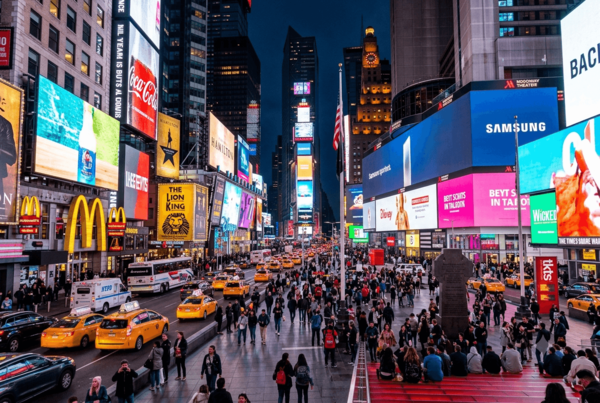
01Times Square
Times Square is located in Midtown Manhattan at the intersection of Broadway and 7th Avenue, and is best accessed via subway stations such as 42nd Street–Times Square, which connects multiple major subway lines. This area is extremely crowded throughout the day, especially in the evening when neon billboards are fully illuminated. The best experience is a short visit of 20–40 minutes rather than a long stay, as the area is primarily for visual impact rather than activities. Nearby attractions such as Broadway theaters and Rockefeller Center can be combined into a single Midtown walking route. Late evening is the most atmospheric time, but early morning offers a much quieter and more photogenic experience without heavy crowds.
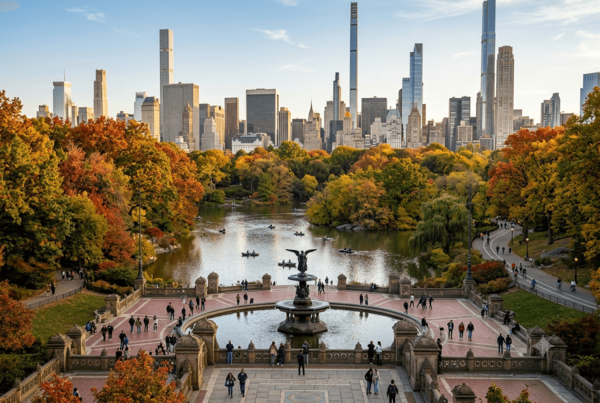
02Central Park
Central Park spans from 59th Street to 110th Street in Manhattan and is easily accessible from multiple subway entrances along its perimeter. The park is best explored by dividing it into sections such as the southern area (Bethesda Terrace, Bow Bridge) and the central reservoir zone for more efficient walking. Walking, biking, and carriage rides are common ways to explore, with full traversal taking 2–4 hours depending on pace. Early morning is ideal for a quiet experience with fewer crowds and soft light, while autumn brings peak foliage colors. The park also works as a natural break between dense sightseeing areas in Midtown and Uptown Manhattan.
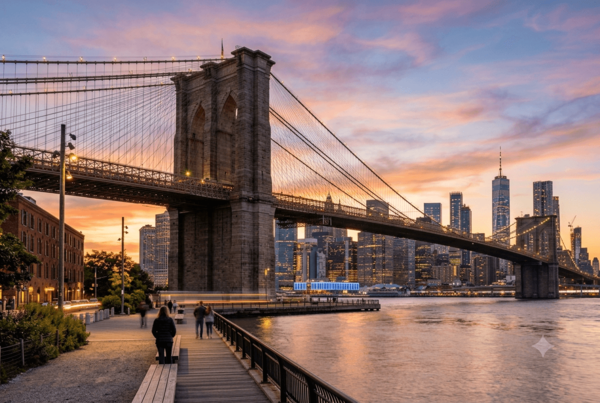
03Brooklyn Bridge
Brooklyn Bridge is best accessed from either Brooklyn side (DUMBO) or Manhattan side (City Hall area), with pedestrian walkways located above vehicle traffic. The full crossing takes around 30–45 minutes on foot, depending on stops for photography. The Brooklyn side offers more iconic skyline framing, while the Manhattan side provides a direct approach to Lower Manhattan landmarks. Early morning sunrise is the best time to avoid heavy pedestrian traffic and capture soft light over the skyline. After crossing, visitors often continue into DUMBO for additional waterfront views and photography spots, making it part of a longer Brooklyn–Manhattan walking route.
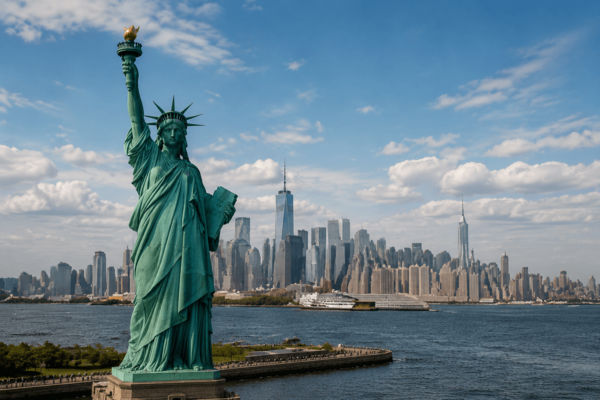
04Statue of Liberty
The Statue of Liberty is located on Liberty Island and requires ferry access from Battery Park in Lower Manhattan, with tickets typically including Ellis Island stops. Advance booking is strongly recommended, especially for pedestal or crown access, which have limited capacity. The full visit usually takes 3–5 hours including ferry transit, security checks, and island exploration. The ferry ride itself provides some of the best skyline views of Lower Manhattan. Early morning departures reduce waiting times and allow more relaxed exploration of both Liberty Island and Ellis Island museums.
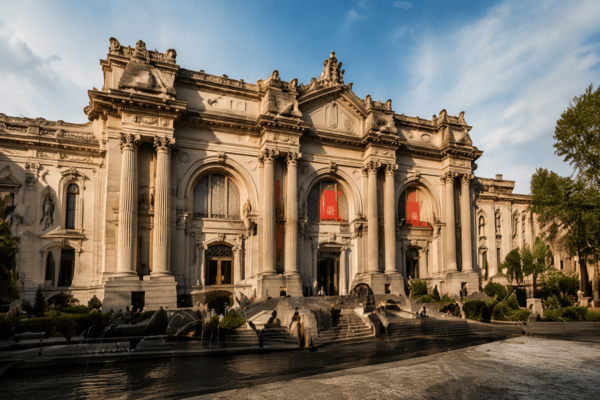
05The Metropolitan Museum of Art (The Met)
The Metropolitan Museum of Art is located along Fifth Avenue on the eastern edge of Central Park and is easily accessible via subway stations such as 86th Street or 82nd Street–Museum Mile stops. Due to its massive scale, covering over 5,000 years of art, it is best approached with a focused route rather than attempting full coverage in one visit. Most visitors spend 2–3 hours selecting key collections such as Egyptian Art, European Paintings, or American Wing. The museum can be combined with a Central Park walk for a balanced indoor–outdoor itinerary. Late afternoon visits are often less crowded compared to midday peak hours.
06Top of the Rock
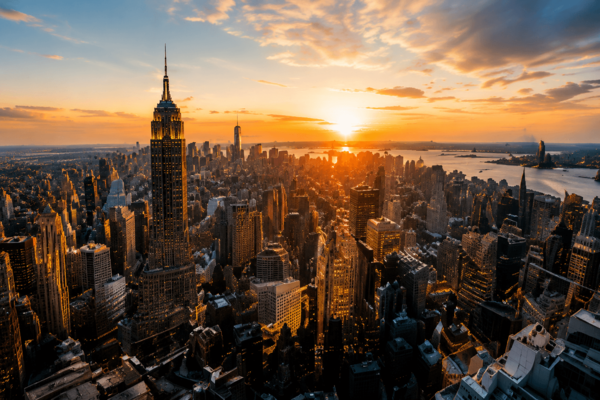
Top of the Rock is located at Rockefeller Center in Midtown Manhattan and is best accessed via 47th–50th Streets subway stations. It offers one of the most balanced observation decks in New York City, with clear views of both the Empire State Building and Central Park skyline. Timed entry tickets are required, and sunset slots are the most in-demand due to golden-hour lighting over Manhattan. The visit typically lasts 45–90 minutes depending on crowd levels. For photography, late afternoon to dusk provides the best transition from natural light to city lights, creating a layered skyline effect.
Why You Should Go
World-Class Landmarks in One Place
Cultural Melting Pot
Iconic Film Locations
Travel Tips
What to Wear
Comfortable clothing and walking shoes are recommended due to extensive city walking.
Weather
Spring (Apr–Jun) and fall (Sep–Nov) offer the most comfortable weather. Summers are hot and winters are cold.
Reservations
Some attractions and observation decks may require advance booking or tickets.
Safety
Be mindful in crowded areas and keep personal belongings secure.
Photography Tips
Sunrise Shots
Shoot from Brooklyn Bridge or Top of the Rock for soft morning light and a glowing skyline.
Night Photography
Times Square and the Manhattan skyline are best captured at night; use a tripod for stability.
Street Photography
Use a 35mm or 50mm lens to capture urban life and candid street moments.